Your Ultimate California Nonprofit Compliance Checklist
July 17, 2026 18 min read 3,584 words
Master California's complex nonprofit regulations to protect your mission and ensure sustained impact.
Get Compliant Now
Navigating Federal and State Requirements for California Nonprofits
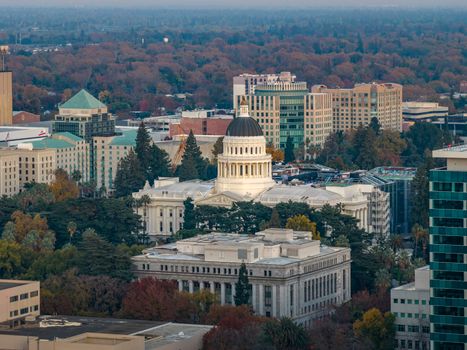 Photo: Stephen Leonardi / Pexels
Operating a nonprofit organization in California comes with a unique set of responsibilities, primarily due to the state's rigorous regulatory environment. While federal compliance, mainly through the IRS, is universal for all U.S. nonprofits, California layers on additional, often complex, requirements that demand careful attention. Understanding the interplay between federal and state mandates is the bedrock of maintaining your organization's legal standing and tax-exempt status. Without a clear grasp of these obligations, even well-intentioned organizations can inadvertently fall out of compliance, leading to severe penalties, loss of public trust, and ultimately, jeopardizing their mission. This section delves into the foundational federal and state requirements, setting the stage for a comprehensive
California nonprofit compliance checklist.
At the federal level, the most significant compliance piece is maintaining your 501(c)(3) tax-exempt status with the Internal Revenue Service (IRS). This primarily involves submitting the annual Form 990 series (990-EZ, 990-PF, or 990-N, depending on your gross receipts and assets). The Form 990 is not merely a tax return; it's a public document that provides transparency into your organization's finances, governance, and programs. Failure to file for three consecutive years can result in the automatic revocation of your federal tax-exempt status, a devastating blow that requires a lengthy and often costly reinstatement process. Beyond the annual filing, federal compliance also includes adhering to rules regarding lobbying activities, political campaign intervention, unrelated business income tax (UBIT), and proper substantiation of charitable contributions.
California's state-specific requirements are extensive and often more demanding than those in many other states. These begin with initial registration and continue with annual filings. Key state agencies involved include the California Secretary of State (SOS), the California Attorney General's Office (AG), and the Franchise Tax Board (FTB). The SOS is responsible for corporate registration and maintaining your corporate status. The AG, through its Registry of Charitable Trusts, oversees charitable solicitations and ensures that charitable assets are used for their intended purposes. The FTB is the state's tax agency, responsible for state income tax exemption and related filings.
For instance, after forming your nonprofit corporation with the SOS, you must then register with the AG's Registry of Charitable Trusts using Form CT-1. This registration is mandatory for most charitable organizations that solicit contributions or hold charitable assets in California. Following initial registration, annual renewal is required with both the SOS (Statement of Information, Form SI-100 or SI-200) and the AG (Form RRF-1, Annual Registration Renewal Fee Report to Attorney General). The FTB requires its own annual information return, Form 199, which mirrors some of the information on your federal Form 990.
Beyond these core filings, California also has specific regulations concerning charitable fundraising, including requirements for commercial fundraisers and fundraising counsel. If your organization employs staff, you'll need to comply with California's robust labor laws, including wage and hour regulations, workers' compensation, and unemployment insurance. Furthermore, many nonprofits engage in activities that may require local permits or licenses, depending on their location and specific operations. For example, a nonprofit operating a thrift store might need a business license from the city or county.
Understanding these layers of compliance is not just about avoiding penalties; it's about building a foundation of trust and accountability. Donors, grantmakers, and the public increasingly scrutinize nonprofit operations, and a strong compliance record demonstrates good governance and fiscal responsibility. This proactive approach to compliance safeguards your mission and allows your organization to focus on making a positive impact in the communities it serves. The subsequent sections will break down each of these requirements into actionable steps, providing a clear and manageable
roadmap for California nonprofits.
Essential Annual Filings and Deadlines for California Nonprofits
 Photo: Towfiqu barbhuiya / Pexels
Staying on top of annual filings and their respective deadlines is arguably the most critical aspect of California nonprofit compliance. Missing a deadline, or submitting incomplete information, can trigger a cascade of problems, from late fees and penalties to the eventual loss of your tax-exempt status. A robust system for tracking these obligations is not just recommended; it's absolutely essential for any organization operating in the Golden State. This section will detail the primary annual filings required at both federal and state levels, providing a clear timeline to help your organization remain perpetually compliant.
**Federal Annual Filings (IRS):**
* **Form 990 Series (990-N, 990-EZ, 990, or 990-PF):** This is the cornerstone of federal compliance for 501(c)(3) organizations. The specific form you file depends on your organization's gross receipts and total assets.
* **Form 990-N (e-Postcard):** For organizations with gross receipts normally $50,000 or less. This is a simple electronic filing.
* **Form 990-EZ:** For organizations with gross receipts less than $200,000 and total assets less than $500,000.
* **Form 990:** For organizations with gross receipts of $200,000 or more or total assets of $500,000 or more.
* **Form 990-PF:** For private foundations.
* **Deadline:** The 15th day of the 5th month after your fiscal year ends (e.g., May 15th for a December 31st fiscal year-end). Extensions (Form 8868) are available.
**California State Annual Filings:**
* **California Franchise Tax Board (FTB) Form 199, California Exempt Organization Annual Information Return:** This form is required for most tax-exempt organizations to report their financial activities to the state. Even if you file a federal Form 990-N, you may still need to file Form 199 if your gross receipts exceed certain thresholds or if you have unrelated business income.
* **Deadline:** The 15th day of the 5th month after your fiscal year ends (same as federal Form 990). Extensions are available.
* **California Attorney General (AG) Form RRF-1, Annual Registration Renewal Fee Report to Attorney General:** This is a crucial filing for organizations registered with the Registry of Charitable Trusts. It renews your registration and includes financial information, often requiring attachments like your federal Form 990.
* **Deadline:** 4 months and 15 days after the close of your fiscal year (e.g., May 15th for a December 31st fiscal year-end). Extensions can be requested.
* **California Secretary of State (SOS) Statement of Information (Form SI-100 or SI-200):** This form updates your organization's basic information, such as board members, officers, and agent for service of process.
* **Deadline:** Biennially (every two years) in the calendar month in which your articles of incorporation were filed, or in the preceding five calendar months. The SOS will typically send a reminder. Failure to file can lead to suspension of your corporate status.
**Other Potential Annual Filings/Renewals:**
* **Property Tax Exemption (Welfare Exemption):** If your nonprofit owns property and uses it for exempt purposes, you must apply for and annually renew the Welfare Exemption with the county assessor and the State Board of Equalization (BOE).
* **Deadline:** February 15th for annual renewal with the county assessor. Initial application has different deadlines.
* **Commercial Fundraiser Filings:** If your organization uses commercial fundraisers, there are specific registration and reporting requirements with the AG's Registry of Charitable Trusts.
* **Local Business Licenses/Permits:** Depending on your activities and location, you may need to renew local business licenses, health permits, or other operational permits annually.
It is highly recommended to create a detailed compliance calendar that lists all federal, state, and local deadlines. Assign responsibility for each filing to a specific individual or team member and establish internal review processes to ensure accuracy and completeness before submission. Utilizing accounting software or dedicated nonprofit management platforms can also help automate reminders and streamline data collection for these reports. Proactive management of these annual obligations is the hallmark of a well-governed and sustainable California nonprofit.
Key Governance and Operational Compliance Standards in California
 Photo: Christina Morillo / Pexels
Beyond the annual filings, a significant portion of California nonprofit compliance revolves around robust governance and sound operational practices. These standards are designed to ensure accountability, transparency, and the ethical stewardship of charitable assets. Strong governance not only satisfies legal requirements but also builds trust with donors, beneficiaries, and the public, which is vital for long-term sustainability. This section outlines critical governance and operational compliance areas that every California nonprofit must address, reinforcing the importance of a comprehensive
governance framework.
**Board Governance:**
* **Active and Engaged Board:** California law requires a minimum of one director for a nonprofit corporation, though most organizations benefit from a larger, diverse board. The board is legally responsible for the organization's oversight, financial health, and adherence to its mission.
* **Conflict of Interest Policy:** A written conflict of interest policy is not just good practice; it's a critical compliance measure. It should require directors, officers, and key employees to disclose any potential conflicts and recuse themselves from decisions where a conflict exists. This policy protects the organization from self-dealing and perceived impropriety.
* **Whistleblower Policy:** While not explicitly mandated for all nonprofits, a whistleblower policy is highly recommended. It provides a safe and confidential mechanism for employees and volunteers to report suspected illegal or unethical conduct without fear of retaliation, fostering an ethical environment.
* **Document Retention Policy:** Establishing clear guidelines for retaining and destroying organizational records (financial, legal, programmatic) is essential. This policy ensures that critical documents are available for audits or legal inquiries and that old, unnecessary documents are disposed of properly, complying with privacy regulations.
* **Reasonable Compensation:** Board members and officers must receive only reasonable compensation for services rendered. Excessive compensation can be considered private inurement, jeopardizing tax-exempt status. Independent review of compensation levels is a best practice.
**Financial Management and Transparency:**
* **Audited Financial Statements:** While not universally required by law for all nonprofits, many grantmakers and larger organizations (especially those with over $2 million in gross revenues) will require independent audits. Even if not legally mandated, regular financial reviews or compilations are crucial for internal oversight.
* **Internal Controls:** Implementing strong internal controls over financial transactions, such as segregation of duties, approval processes, and regular reconciliations, helps prevent fraud and ensures accurate financial reporting.
* **Public Inspection of Documents:** Federal law requires 501(c)(3) organizations to make their Form 990s and application for exemption (Form 1023) available for public inspection. California also has requirements for making certain documents available upon request.
* **Donor Acknowledgement:** Proper acknowledgment of charitable contributions is essential for both the donor's tax deduction purposes and for the nonprofit's record-keeping. Specific rules apply for contributions over certain thresholds or for quid pro quo contributions.
**Fundraising Compliance:**
* **Charitable Solicitation Registration:** As mentioned, most California nonprofits that solicit contributions must register with the Attorney General's Registry of Charitable Trusts. This includes online solicitations.
* **Truthful Solicitation:** All fundraising materials and appeals must be truthful and not misleading. Donors must be informed about how their contributions will be used.
* **Commercial Fundraiser Oversight:** If your organization engages commercial fundraisers, you have specific responsibilities to oversee their activities and ensure they comply with state regulations, including contracts and reporting requirements.
**Employment and Volunteer Compliance:**
* **California Labor Laws:** Nonprofits employing staff must adhere to California's comprehensive labor laws, including minimum wage, overtime, meal and rest breaks, workplace safety, and anti-discrimination statutes.
* **Volunteer Management:** While volunteers are not employees, it's crucial to have clear policies regarding their roles, responsibilities, and appropriate conduct. Background checks may be necessary for volunteers working with vulnerable populations.
* **Workers' Compensation:** Most employers in California, including nonprofits, are required to carry workers' compensation insurance.
Adhering to these governance and operational standards is an ongoing commitment. It requires regular training for board members and staff, periodic review of policies, and a culture of compliance throughout the organization. By prioritizing these areas, California nonprofits can not only meet their legal obligations but also strengthen their organizational integrity and effectiveness.
Common Compliance Pitfalls and Best Practices for California Nonprofits
 Photo: RDNE Stock project / Pexels
Even the most dedicated California nonprofits can stumble into compliance pitfalls if they're not vigilant. The complexity of state and federal regulations, coupled with the dynamic nature of nonprofit operations, creates numerous opportunities for oversight. Recognizing common mistakes and adopting best practices can significantly mitigate risks and ensure your organization remains in good standing. This section highlights frequent compliance challenges and offers actionable strategies to overcome them, serving as a crucial component of your
California nonprofit compliance checklist.
**Common Compliance Pitfalls:**
* **Missing Annual Filings:** This is perhaps the most common and easily avoidable pitfall. Forgetting to file Form 990, Form 199, Form RRF-1, or the Statement of Information can lead to automatic revocation of tax-exempt status or corporate suspension.
* **Inadequate Record-Keeping:** Poorly organized or incomplete financial records, meeting minutes, and donor records make it impossible to accurately complete required filings and can create significant issues during audits or investigations.
* **Lack of a Conflict of Interest Policy (or not enforcing it):** Without a robust policy, or if it's not actively followed, situations of self-dealing or perceived impropriety can arise, damaging reputation and potentially leading to legal action.
* **Unrelated Business Income Tax (UBIT) Issues:** Many nonprofits engage in activities that generate revenue but are not substantially related to their exempt purpose. Failing to identify and report UBIT can result in unexpected tax liabilities and penalties.
* **Improper Charitable Solicitation:** Soliciting donations in California without proper registration with the Attorney General's office, or using misleading fundraising tactics, can lead to fines and injunctions.
* **Failure to Comply with California Labor Laws:** California has some of the strictest labor laws in the nation. Nonprofits often overlook nuances in wage and hour, meal and rest break, or independent contractor classification rules, leading to costly lawsuits.
* **Board Inactivity or Lack of Engagement:** A passive board that doesn't actively oversee the organization's finances, programs, and legal obligations can lead to governance failures and compliance breaches.
**Best Practices for Sustained Compliance:**
* **Develop a Comprehensive Compliance Calendar:** Create a centralized calendar that lists all federal, state, and local filing deadlines. Assign responsibility for each item and set multiple reminders.
* **Regular Board and Staff Training:** Educate board members and key staff on their compliance responsibilities, especially regarding governance policies, financial oversight, and fundraising ethics.
* **Maintain Meticulous Records:** Implement a systematic approach to record-keeping for all financial transactions, board minutes, contracts, donor communications, and employee records. Consider cloud-based solutions for secure access and backup.
* **Conduct Annual Internal Reviews:** Periodically review your organization's policies, procedures, and financial statements to identify potential compliance gaps before they become problems. This can be done by an internal committee or an external consultant.
* **Seek Professional Advice:** Don't hesitate to consult with legal counsel specializing in nonprofit law and a qualified accountant or auditor. Their expertise is invaluable in navigating complex regulations and staying current with changes.
* **Foster a Culture of Compliance:** Embed compliance into the organizational culture, making it clear that adherence to laws and ethical standards is everyone's responsibility, from the board to volunteers.
* **Stay Informed of Regulatory Changes:** Designate someone to monitor legislative updates and regulatory changes affecting nonprofits in California and at the federal level. Subscribe to relevant newsletters and industry alerts.
* **Review Insurance Coverage Annually:** Ensure your organization has adequate D&O (Directors and Officers) liability insurance, general liability, and workers' compensation insurance to protect against unforeseen events and legal challenges.
By proactively addressing these common pitfalls and consistently applying best practices, California nonprofits can build a resilient framework for compliance. This not only safeguards their legal standing but also strengthens their reputation, allowing them to focus more effectively on achieving their mission and serving their communities.