
Your Guide to California Nonprofit Registration Requirements
Unlock the secrets to successful nonprofit registration in California and make your vision a reality.
Start Your Nonprofit JourneyKey Takeaways
- ✓ California requires both state and federal registrations for nonprofits.
- ✓ The Secretary of State, Attorney General, and FTB are key state agencies.
- ✓ Federal 501(c)(3) status is crucial for tax-exempt donations.
- ✓ Ongoing compliance and annual filings are mandatory to maintain status.
How It Works
File your Articles of Incorporation to legally establish your nonprofit entity within California. This is the foundational step before seeking tax-exempt status.
Submit Form 1023 (or 1023-EZ for smaller organizations) to the IRS to secure federal tax-exempt status. This allows your organization to receive tax-deductible contributions.
Nonprofits holding assets for charitable purposes must register with the Attorney General. This ensures oversight and compliance with state charitable solicitation laws.
After federal approval, apply to the California FTB for state income tax exemption. This step exempts your nonprofit from state corporate franchise or income tax.
Understanding the Initial California Nonprofit Formation Steps
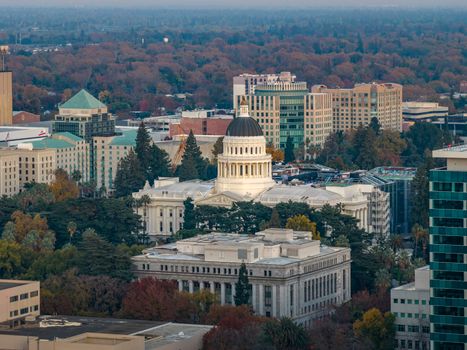 Photo: Stephen Leonardi / Pexels
Navigating Federal and State Tax Exemption Applications
 Photo: Kindel Media / Pexels
California Attorney General Registration and Ongoing Compliance
Essential Tips and Common Mistakes in California Nonprofit Registration
Comparison
| Requirement | Secretary of State | IRS (Federal) | CA Attorney General | CA FTB |
|---|---|---|---|---|
| Initial Filing | Articles of Incorporation | Form 1023/1023-EZ | Form CT-1 | Form FTB 3500 |
| Purpose | Legal Existence | Federal Tax Exemption | Charitable Oversight | State Tax Exemption |
| Timeline (Initial) | Immediate | Within 27 months of incorporation | 30 days (assets/incorp) | After IRS approval |
| Annual Filings | Statement of Info (SI-100) | Form 990 Series | Form RRF-1 | Form 199/199N |
What Readers Say
"This guide broke down the California nonprofit registration requirements into manageable steps. I was overwhelmed before, but now I feel confident in our application process. Extremely helpful and clear!"
Sarah J. · Oakland, CA"As a first-time founder, understanding all the state and federal hoops was daunting. This article clarified the distinction between the Secretary of State, Attorney General, and FTB filings perfectly. A true lifesaver."
Michael D. · San Diego, CA"Following the advice in this resource, our organization successfully secured our 501(c)(3) status and all necessary state registrations within a reasonable timeframe. The tips on avoiding common mistakes were particularly valuable, saving us from potential delays."
Dr. Emily R. · Los Angeles, CA"The information on ongoing compliance for California nonprofit registration requirements was incredibly thorough. While the process itself is complex, this guide provided a clear roadmap. I appreciate the depth of detail."
David L. · Sacramento, CA"We're a small community group, and the thought of all the paperwork for California nonprofit registration requirements was paralyzing. This article made it digestible and gave us the confidence to move forward. Highly recommended for anyone starting a nonprofit."
Jessica M. · Fresno, CAFrequently Asked Questions
What is the very first step in California nonprofit registration requirements?
The very first step is to incorporate your nonprofit by filing the Articles of Incorporation with the California Secretary of State. This legally establishes your organization as a distinct entity and is a prerequisite for all subsequent state and federal registrations.
Do I need federal 501(c)(3) status before applying for state tax exemption in California?
Yes, typically you must first secure federal 501(c)(3) tax-exempt status from the IRS. The California Franchise Tax Board (FTB) requires a copy of your IRS determination letter when you apply for state income tax exemption using Form FTB 3500.
How long does it take to get 501(c)(3) status from the IRS?
The processing time for IRS Form 1023 can vary significantly, often ranging from 3 to 12 months or even longer, depending on the complexity of your application and current IRS backlogs. Form 1023-EZ typically has a shorter processing time.
What are the annual costs associated with maintaining a California nonprofit's registration?
Annual costs include fees for filing the Statement of Information with the Secretary of State (currently $20), the annual registration renewal fee with the Attorney General (which varies based on gross revenue), and potential costs for professional assistance with tax filings like Form 990.
Is registration with the California Attorney General different from tax exemption?
Yes, registration with the California Attorney General's Registry of Charitable Trusts (Form CT-1 and annual RRF-1) is separate from obtaining tax exemption. The AG oversees charitable assets and solicitations, ensuring public benefit, while tax exemption (from IRS and FTB) relates to your organization's tax obligations.
Who should use this guide on California nonprofit registration requirements?
This guide is designed for anyone looking to establish a new nonprofit organization in California, including founders, board members, and legal or administrative staff. It's particularly helpful for those seeking a comprehensive, step-by-step understanding of the complex registration process.
What happens if I miss an annual filing deadline for my California nonprofit?
Missing annual filing deadlines with the Secretary of State, Attorney General, or IRS can lead to penalties, late fees, loss of good standing, and even the automatic suspension or revocation of your nonprofit's corporate status or tax-exempt status. It's crucial to stay on top of all deadlines.
Are there any recent changes to California nonprofit registration requirements I should be aware of?
While the core requirements generally remain stable, regulations can be updated. It's always best practice to check the official websites of the California Secretary of State, Attorney General's Registry of Charitable Trusts, and Franchise Tax Board for the most current forms, fees, and legislative changes before initiating or maintaining your registration.
Embarking on your nonprofit journey in California is a significant undertaking, but with a clear understanding of the California nonprofit registration requirements, you can build a strong foundation for impact. Don't let the complexity deter you; empower your mission by ensuring every step is handled correctly and efficiently. Start making a difference today.