✓ California requires specific state-level filings before federal 501(c)(3) application.
✓ A minimum of three directors is generally required for a California nonprofit corporation.
✓ The Articles of Incorporation are the foundational document filed with the CA Secretary of State.
✓ Securing both state and federal tax exemptions is crucial for full nonprofit operation.
How It Works
1
Plan Your Mission & Structure
Clearly define your organization's purpose, beneficiaries, and activities. Determine your initial board of directors and draft foundational documents.
2
File Articles of Incorporation
Submit your Articles of Incorporation to the California Secretary of State. This officially creates your corporate entity under state law.
3
Obtain EIN & Draft Bylaws
Apply for an Employer Identification Number (EIN) from the IRS. Develop comprehensive bylaws outlining your organization's governance and operational rules.
4
Secure State & Federal Tax Exemptions
Apply for California state tax exemption with the Franchise Tax Board (FTB). Then, file Form 1023 with the IRS for federal 501(c)(3) status.
Laying the Groundwork: Essential Pre-Incorporation Steps for Your California Nonprofit
Photo: RDNE Stock project / Pexels
Before you even think about filing paperwork, the journey to incorporate a nonprofit in CA begins with meticulous planning and strategic foresight. This foundational stage is critical, as it sets the ethical, operational, and legal framework for your future organization. Many aspiring nonprofit leaders are eager to jump straight to filing, but neglecting these initial steps can lead to significant hurdles, delays, or even legal complications down the line. First and foremost, you must crystalize your organization's mission and vision. What specific problem are you aiming to solve? Who are your target beneficiaries? What unique approach will your nonprofit take? A clear, concise mission statement will guide all subsequent decisions, from fundraising strategies to program development. This isn't just a marketing slogan; it's the core identity of your nonprofit and will be referenced in many official documents.
Next, you need to assemble your initial board of directors. California law typically requires a minimum of three directors for a nonprofit corporation. These individuals are the fiduciaries of your organization, legally responsible for its governance, financial oversight, and adherence to its mission. When selecting board members, consider a diverse range of skills, experiences, and networks that align with your nonprofit's goals. Look for individuals with expertise in finance, law, community outreach, fundraising, and program management. Avoid appointing family members or close friends solely for the sake of numbers; the integrity and effectiveness of your board are paramount. They will be instrumental in drafting your bylaws and ensuring compliance.
Simultaneously, you should begin to develop your initial program plan and budget. Even if it's a rough estimate, having a clear idea of your anticipated activities, operational costs, and potential funding sources will inform your organizational structure and demonstrate viability to regulatory bodies and potential donors. This includes identifying your initial funding needs and exploring potential revenue streams, whether through grants, individual donations, or earned income activities. A well-thought-out budget demonstrates fiscal responsibility and helps articulate your needs in grant applications. Remember, the goal is not just to incorporate, but to create a sustainable and impactful organization. Understanding the various types of nonprofit organizations can also help clarify your specific structure.
Finally, and crucially, you must conduct a thorough name search. Your chosen nonprofit name must be distinguishable from other entities already registered with the California Secretary of State. This isn't just about avoiding confusion; it's a legal requirement. Perform a business entity name search on the CA SOS website and consider searching federal trademarks to ensure your desired name is available and won't infringe on existing rights. Having a few alternative names ready is a wise strategy, as your first choice may already be taken. This preparation phase, while extensive, is the bedrock upon which a successful and compliant California nonprofit is built. Taking the time to get these elements right will save immense effort and potential headaches later in the incorporation process.
Navigating State-Level Incorporation: Filing with the California Secretary of State
Photo: Stephen Leonardi / Pexels
Once your foundational planning is complete, the next critical phase in how to incorporate a nonprofit in CA involves formalizing your entity with the California Secretary of State (SOS). This is the legal act that officially brings your nonprofit corporation into existence under California law. The cornerstone of this process is drafting and filing your Articles of Incorporation. This document is not merely a formality; it's a legally binding declaration of your organization's purpose, structure, and intent to operate as a nonprofit. It must contain specific provisions mandated by both California state law and, critically, by the IRS for eventual 501(c)(3) tax-exempt status.
The Articles of Incorporation must include your nonprofit's official name, the specific purpose for which it is formed (which must be a public or charitable purpose, not private benefit), the name and address of your initial agent for service of process (the person or entity designated to receive legal documents on behalf of the corporation), and a statement that the corporation is organized under the California Nonprofit Public Benefit Corporation Law (or Mutual Benefit or Religious Corporation Law, depending on your type). Crucially for 501(c)(3) eligibility, the Articles must also contain specific dissolution clauses. These clauses dictate that upon dissolution, any remaining assets must be distributed to another 501(c)(3) organization, preventing private individuals from benefiting. They must also explicitly state that the corporation is organized exclusively for charitable, educational, religious, or scientific purposes, and that no part of its net earnings will inure to the benefit of any private shareholder or individual.
After drafting, the Articles of Incorporation must be submitted to the California Secretary of State. While it might seem straightforward, accuracy is paramount. Any errors or omissions can lead to rejection and significant delays. It's often advisable to have an attorney review these documents to ensure compliance with all state and federal requirements. The SOS filing fee must also be paid at the time of submission. Once accepted, the SOS will return a filed-stamped copy of your Articles, which serves as official proof of your nonprofit's legal existence. This document is vital for subsequent steps, including obtaining an EIN and applying for tax exemptions.
Beyond the initial filing, California requires nonprofits to file an Initial Report (Form SI-100) within 90 days of filing the Articles of Incorporation. This report provides basic information about your corporation, including the names and addresses of your directors and executive officers. Failure to file this report can lead to penalties and even suspension of your corporate status. Furthermore, you will need to apply for an Employer Identification Number (EIN) from the IRS, which is essentially a social security number for your business. This is a free, relatively quick online process that can be completed once your Articles of Incorporation have been filed and accepted by the state. The EIN is essential for opening bank accounts, hiring employees, and filing tax exemption applications. Successfully navigating these state-level requirements establishes the fundamental legal identity of your nonprofit, setting the stage for securing its vital tax-exempt status.
Securing Tax-Exempt Status: The Path to 501(c)(3) and State Exemption
Photo: RDNE Stock project / Pexels
Achieving tax-exempt status is arguably the most pivotal step after incorporating your nonprofit in CA, as it enables your organization to receive tax-deductible donations and operate without paying federal and state income taxes. This process involves two distinct but interconnected applications: one for federal 501(c)(3) status with the IRS and another for state tax exemption with the California Franchise Tax Board (FTB). Understanding the sequence and requirements for each is crucial.
First, let's address federal 501(c)(3) status. This is the designation that allows donors to deduct their contributions from their federal taxes. To obtain it, most organizations must file Form 1023, Application for Recognition of Exemption Under Section 501(c)(3) of the Internal Revenue Code, with the IRS. This is a comprehensive and often complex application that requires a detailed description of your organization's purpose, activities, financial data (actual or projected for up to three years), and governance structure. You'll need to attach copies of your filed Articles of Incorporation, bylaws, conflict of interest policy, and any other relevant documents. The IRS scrutinizes Form 1023 to ensure your organization meets all the requirements for 501(c)(3) status, including operating exclusively for exempt purposes and not for the benefit of private individuals. The process can take several months, and the IRS may send requests for additional information. Smaller organizations may be eligible to file the shorter Form 1023-EZ, but strict eligibility criteria apply, so it's important to verify if your nonprofit qualifies.
While your federal application is pending, or even after it's approved, you must also secure state tax exemption with the California Franchise Tax Board (FTB). California does not automatically grant state tax exemption just because you have federal 501(c)(3) status. You must file Form 3500, Exemption Application, or Form 3500A, Submission of Exemption Request. Form 3500 is used by organizations that have not yet received their federal determination letter, while Form 3500A is used by those that have already obtained their federal 501(c)(3) status. The FTB application largely mirrors the information requested by the IRS, focusing on your organization's purpose, activities, and financial information. It's important to note that even with federal 501(c)(3) status, California sales tax exemption and property tax exemption are separate processes, requiring additional applications with the California Department of Tax and Fee Administration (CDTFA) and local county assessor's office, respectively.
Throughout both federal and state application processes, meticulous record-keeping and attention to detail are paramount. Any inconsistencies or missing information can cause significant delays. Many organizations choose to engage legal counsel or a consultant specializing in nonprofit law to assist with these applications, given their complexity and the critical importance of securing these exemptions. Successfully navigating these applications not only confers significant financial benefits but also lends credibility and legitimacy to your organization, demonstrating to the public and potential funders that you meet rigorous standards for charitable operation. This step truly unlocks your nonprofit's ability to fulfill its mission effectively by minimizing tax burdens and maximizing donor confidence. Understanding the full scope of nonprofit compliance is essential for long-term success.
Ongoing Compliance & Best Practices for CA Nonprofits
Photo: Gustavo Fring / Pexels
Incorporating and securing tax-exempt status for your nonprofit in CA is a monumental achievement, but it's just the beginning. The journey of a successful nonprofit is defined by continuous adherence to a myriad of state and federal regulations. Ongoing compliance is not merely a legal obligation; it's a commitment to transparency, accountability, and maintaining public trust. Neglecting these responsibilities can lead to severe penalties, including fines, loss of tax-exempt status, and damage to your organization's reputation.
One of the primary ongoing responsibilities is annual reporting. Federally, most 501(c)(3) organizations are required to file an annual information return with the IRS, typically Form 990, 990-EZ, or 990-PF, depending on their gross receipts and assets. Even very small organizations generally must file Form 990-N (e-Postcard). These forms provide the IRS and the public with a snapshot of your nonprofit's finances, governance, and activities. In California, nonprofits must file an annual registration renewal with the Attorney General's Registry of Charitable Trusts (Form RRF-1) and an annual information return with the Franchise Tax Board (Form 199 or 199N). These filings ensure that the state monitors charitable organizations operating within its borders.
Beyond annual reports, maintaining proper corporate records is absolutely essential. This includes keeping minutes of all board meetings, resolutions passed, and accurate financial records. Your bylaws should clearly outline meeting requirements and decision-making processes. A robust record-keeping system not only demonstrates good governance but also serves as a vital resource during audits or legal inquiries. Implementing a comprehensive conflict of interest policy and ensuring all board members and key personnel understand and adhere to it is another best practice. This helps prevent situations where personal interests could improperly influence organizational decisions, protecting the nonprofit's integrity.
Fundraising compliance is another critical area. If your nonprofit plans to solicit donations, you must register with the California Attorney General's Registry of Charitable Trusts before soliciting funds. This registration must be renewed annually. Additionally, if you plan to solicit across state lines, you may need to register in other states as well, as each state has its own charitable solicitation laws. Understanding and complying with these regulations is crucial to avoid legal issues and maintain public confidence in your fundraising efforts. Finally, regularly reviewing your organization's mission, programs, and financial health is vital. An effective board of directors will engage in strategic planning, evaluate program effectiveness, and ensure the nonprofit remains true to its stated purpose while adapting to evolving community needs. Continuous learning and adaptation are hallmarks of a thriving nonprofit.
Comparison
Feature
Public Benefit Corp.
Mutual Benefit Corp.
Religious Corp.
Unincorporated Assoc.
Primary Purpose
Public/Charitable
Member Benefit
Religious
Varies
Tax-Exempt Status
501(c)(3) Eligible
501(c)(4) or (6) Eligible
501(c)(3) Eligible
Limited/Rare
Liability Protection
✓
✓
✓
✗
Formalities
High
High
High
Low
State Filings
CA SOS, AG, FTB
CA SOS, FTB
CA SOS, AG, FTB
Minimal
What Readers Say
★★★★★
"This guide was a lifesaver for our community art project. We followed the steps on how to incorporate a nonprofit in CA, and the clarity helped us navigate the complex paperwork with confidence. Highly recommend for anyone starting out!"
Sarah J. · Oakland, CA
★★★★★
"As a first-time founder, I felt overwhelmed by the process of setting up our environmental nonprofit. This article broke down how to incorporate a nonprofit in CA into manageable steps, making it much less daunting. We're now officially a 501(c)(3)!"
David L. · Los Angeles, CA
★★★★★
"The detailed information on securing both federal and state tax exemptions was invaluable. Thanks to this resource, our animal rescue organization successfully obtained its tax-exempt status in record time. It's truly an expert-level resource on how to incorporate a nonprofit in CA."
Maria P. · San Diego, CA
★★★★★
"While incredibly comprehensive, some sections could benefit from even more specific examples for smaller, all-volunteer organizations. Still, this is by far the most helpful guide I found on how to incorporate a nonprofit in CA, laying out all the critical steps."
Chris T. · Sacramento, CA
★★★★★
"Our legal team used this article as a checklist to ensure we didn't miss any critical steps when advising a client on how to incorporate a nonprofit in CA. The emphasis on pre-incorporation planning was particularly well-articulated and very useful."
Emily R. · San Francisco, CA
Frequently Asked Questions
What is the very first step to incorporate a nonprofit in CA?
The very first step is to clearly define your organization's mission, vision, and programs. This includes identifying your beneficiaries, outlining your activities, and recruiting your initial board of directors (at least three individuals) to ensure you have a strong foundation before any legal filings begin.
How long does it typically take to get 501(c)(3) status in California?
While the state incorporation with the CA Secretary of State can be relatively quick (weeks), obtaining federal 501(c)(3) status from the IRS can take several months, sometimes 3-12 months or even longer, depending on the complexity of your application and current IRS backlogs. State tax exemption typically follows federal approval.
Can I incorporate a nonprofit in CA without a lawyer?
Yes, it is possible to incorporate a nonprofit in CA without a lawyer, as all forms are publicly available. However, due to the complexity of state and federal regulations and the specific language required in documents like the Articles of Incorporation and bylaws for 501(c)(3) status, many founders opt for legal assistance to avoid errors and delays.
What are the main costs associated with incorporating a nonprofit in CA?
The main costs include filing fees for the California Secretary of State (currently $30), the IRS Form 1023 application fee (varies by gross receipts, e.g., $275 or $600), and potentially fees for registered agent services, legal counsel, or consulting services. There are also annual state renewal fees.
What's the difference between a Public Benefit Corporation and a Mutual Benefit Corporation in California?
A Public Benefit Corporation is formed for public or charitable purposes and is eligible for 501(c)(3) status. A Mutual Benefit Corporation is formed to serve the interests of its members (e.g., homeowners associations, clubs) and is typically eligible for 501(c)(4) or 501(c)(6) status, which does not allow for tax-deductible donations.
Who should consider incorporating a nonprofit in CA?
Anyone with a clear charitable, educational, religious, or scientific mission who wishes to operate formally, receive tax-deductible donations, apply for grants, and provide liability protection for its founders and directors should consider incorporating a nonprofit in CA. It's ideal for organizations seeking long-term impact and public trust.
What happens if I don't maintain compliance after incorporating?
Failure to maintain compliance can lead to serious repercussions, including penalties, fines, suspension of corporate status by the California Secretary of State, loss of state or federal tax-exempt status, and potential personal liability for directors. It also erodes public trust and fundraising capabilities.
Are there any new trends in CA nonprofit incorporation I should be aware of?
While the core legal steps remain consistent, there's an increasing emphasis on transparent governance, robust conflict of interest policies, and diverse board representation. Digital tools are also making the initial filing and ongoing compliance processes more accessible, though legal diligence remains paramount.
Ready to bring your charitable vision to life? By understanding how to incorporate a nonprofit in CA, you're taking the essential steps toward creating lasting impact. Follow this guide to navigate the process confidently and establish an organization that truly makes a difference.

 Photo: RDNE Stock project / Pexels
 Photo: Stephen Leonardi / Pexels
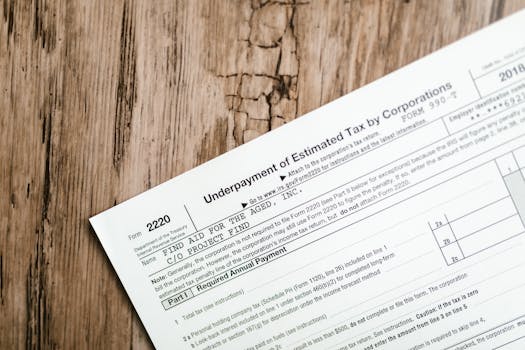 Photo: RDNE Stock project / Pexels
 Photo: Gustavo Fring / Pexels