How to Start a Charity in California: Your Expert Guide
start a charity in california

How to Start a Charity in California: Your Expert Guide

Navigate the complexities of establishing a charitable organization in the Golden State with confidence and clarity.

Begin Your Charitable Journey

Key Takeaways

  • ✓ California requires both state and federal registrations for charities.
  • ✓ Forming a nonprofit corporation is the first legal step.
  • ✓ Obtaining 501(c)(3) status grants federal tax exemption.
  • ✓ Annual filings with the Attorney General are mandatory for CA charities.

How It Works

1
Form Your California Nonprofit Corporation

This involves filing Articles of Incorporation with the California Secretary of State. This establishes your organization as a legal entity in the state.

2
Obtain Federal 501(c)(3) Tax-Exempt Status

After state incorporation, apply to the IRS using Form 1023 to secure federal tax-exempt status. This is crucial for donor deductibility and grants.

3
Register with California State Agencies

Your charity must register with the California Attorney General's Registry of Charitable Trusts and potentially other state departments for fundraising and employment.

4
Establish Governance and Compliance

Develop bylaws, appoint a board of directors, and ensure ongoing compliance with both federal and state regulations. Regular filings are essential to maintain good standing.

Understanding the Foundation: California Nonprofit Corporation Basics

Close-up of a hand signing documents with a pen, symbolizing an important business contract. Photo: Kampus Production / Pexels
Embarking on the journey to start a charity in California begins with establishing a robust legal foundation. Unlike sole proprietorships or partnerships, a charity must be formed as a nonprofit corporation. This crucial first step ensures your organization has legal standing, can enter into contracts, hold assets, and, most importantly, protects its founders and directors from personal liability. The process starts with selecting a unique name for your organization that adheres to California's naming conventions and is not already in use by another entity. A quick search on the California Secretary of State's website can help confirm name availability. Once a name is chosen, the next critical document is the Articles of Incorporation. This document is filed with the California Secretary of State and officially brings your nonprofit corporation into existence. The Articles of Incorporation are more than just a formality; they are the bedrock of your organization's legal structure. They must include specific language mandated by the IRS to qualify for 501(c)(3) status later on. Key elements typically include the name of the corporation, its purpose (which must be exclusively charitable, educational, religious, or scientific), the name and address of the initial agent for service of process, and a dissolution clause specifying that upon dissolution, assets will be distributed to another 501(c)(3) organization. Without this precise language, the IRS will likely reject your 501(c)(3) application, causing significant delays. It's highly advisable to consult with legal counsel specializing in nonprofit law to ensure these articles are drafted correctly from the outset. After filing, you will receive a certified copy of your Articles of Incorporation, which serves as official proof of your organization's legal existence. This document is vital for opening bank accounts, applying for tax IDs, and all subsequent registrations. Successfully navigating this initial corporate formation is paramount to building a legitimate and effective charitable organization in California. For more detailed information on corporate structures, consider exploring resources on nonprofit legal structures.

Navigating Federal Tax Exemption: The 501(c)(3) Application Process
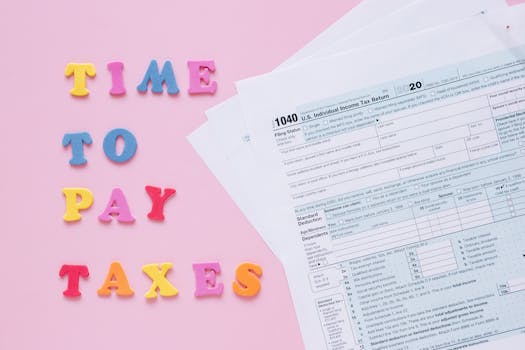
1040 tax forms with colorful 'Time to Pay Taxes' letters. Photo: Leeloo The First / Pexels
Once your nonprofit corporation is legally established with the California Secretary of State, the next monumental step in your quest to start a charity in California is securing federal tax-exempt status under Section 501(c)(3) of the Internal Revenue Code. This designation is critical because it allows your organization to receive tax-deductible contributions from donors, makes you eligible for grants from foundations, and exempts your organization from federal income tax on most of its activities. Without 501(c)(3) status, your organization, despite being a 'nonprofit' in name, would be treated as a taxable entity by the IRS. The primary document for this process is IRS Form 1023, Application for Recognition of Exemption Under Section 501(c)(3) of the Internal Revenue Code. This is a comprehensive and detailed application that requires a significant amount of information about your organization's structure, purpose, activities, finances, and governance. You'll need to provide copies of your Articles of Incorporation, bylaws, conflict of interest policy, and detailed descriptions of your past, present, and planned activities. The IRS scrutinizes these applications meticulously to ensure that the organization's mission and operations align strictly with charitable purposes. Completing Form 1023 accurately is paramount, as errors or omissions can lead to lengthy delays or even rejection. Many organizations opt to hire legal or accounting professionals specializing in nonprofit tax law to assist with this application. The IRS also offers Form 1023-EZ for smaller organizations, which is a streamlined version for those with projected annual gross receipts of less than $50,000 and total assets of less than $250,000. However, even with the EZ form, understanding the underlying requirements is crucial. Upon approval, the IRS will issue a determination letter confirming your 501(c)(3) status, which is a golden ticket for your charitable endeavors. This letter is often required by foundations for grant applications and by donors for substantiating their tax deductions. Maintaining this status requires ongoing compliance with IRS regulations, including annual filing of Form 990 (or its variations) depending on your organization's gross receipts. Failure to file these annual returns can result in revocation of your tax-exempt status, a setback no new charity wants to face.

California State Registrations and Ongoing Compliance for Charities

Stunning aerial view of the iconic California State Capitol in Sacramento surrounded by cityscape. Photo: Stephen Leonardi / Pexels
Beyond federal requirements, a significant part of learning how to start a charity in California involves navigating the state's specific registration and compliance landscape. California has some of the most stringent regulations for charitable organizations in the country, designed to protect the public from fraud and ensure transparency. The cornerstone of state registration for charities is with the California Attorney General's Registry of Charitable Trusts (RCT). Any nonprofit corporation that solicits or holds charitable assets in California must register with the RCT within 30 days of receiving assets or beginning to solicit donations. This initial registration typically involves filing Form CT-1, Initial Registration Form. The RCT oversees the activities of charities, ensuring they operate ethically and for their stated charitable purposes. In addition to initial registration, California charities are subject to annual reporting requirements with the RCT. This typically involves filing Form RRF-1, Annual Registration Renewal Fee Report to Attorney General of California, along with a copy of the organization's IRS Form 990, 990-EZ, or 990-PF. These annual filings are crucial for maintaining good standing with the state and for demonstrating accountability to the public. Failure to file these reports can lead to fines, suspension of fundraising privileges, or even dissolution of the corporation. It's imperative for board members and leadership to understand these ongoing obligations to avoid compliance pitfalls. Furthermore, if your charity plans to have employees, you will need to register with the California Employment Development Department (EDD) for state payroll taxes and workers' compensation insurance. If your organization will collect sales tax (though most charitable activities are exempt, some may not be), you'll need to register with the California Department of Tax and Fee Administration (CDTFA). Depending on the nature of your charitable activities, other specific permits or licenses might be required at the state or local level. For instance, if your charity operates a school, a daycare, or provides specific health services, additional licensing bodies may come into play. Staying informed about these diverse state-level requirements is essential for long-term operational success and credibility. Resources like nonprofit compliance checklists can be invaluable for tracking these numerous obligations.

Best Practices and Common Mistakes When Launching Your Charity

A diverse team collaborates on a workspace board with charts and plans. Photo: Monstera Production / Pexels
Launching a charity in California is a significant undertaking, and while the legal steps are critical, adopting best practices from the outset can significantly impact your long-term success and sustainability. Conversely, avoiding common pitfalls can save your organization immense time, resources, and potential legal headaches. **Best Practices for a Thriving California Charity:** * **Develop a Strong Board of Directors:** Recruit individuals with diverse skills, experience, and a genuine passion for your mission. A strong, engaged board is invaluable for governance, fundraising, and strategic direction. * **Craft Comprehensive Bylaws:** Your bylaws are your organization's operating manual. They should clearly define roles, responsibilities, meeting procedures, and decision-making processes. Review and update them regularly. * **Implement Robust Financial Controls:** From day one, establish clear accounting procedures, internal controls, and transparent financial reporting. This builds trust with donors and ensures compliance with financial regulations. * **Prioritize a Conflict of Interest Policy:** A well-defined policy prevents perceived or actual conflicts that could undermine public trust and lead to legal issues. Ensure all board members and key staff understand and adhere to it. * **Invest in Strategic Planning:** Don't just react; proactively plan your programs, fundraising, and organizational growth. A clear strategic plan keeps your mission focused and your efforts effective. * **Build a Strong Online Presence:** A professional website, active social media, and clear communication channels are essential for outreach, fundraising, and transparency in today's digital age. * **Seek Professional Guidance:** Work with an attorney, accountant, and fundraising consultant who specialize in nonprofit organizations. Their expertise is invaluable, especially during the initial setup phase. **Common Mistakes to Avoid:** * **Ignoring Compliance Deadlines:** Missing annual filings with the IRS or California Attorney General can lead to penalties, loss of tax-exempt status, or even dissolution. Keep meticulous records and calendar all deadlines. * **Lack of Clear Mission and Vision:** Without a well-defined mission, your charity can struggle to articulate its purpose, attract donors, or focus its efforts effectively. * **Underestimating Fundraising Challenges:** Fundraising is continuous and often more difficult than anticipated. Relying solely on one funding source is risky; diversify your fundraising strategies. * **Poor Record-Keeping:** Maintain thorough records of all financial transactions, board minutes, donor information, and program activities. This is crucial for audits, reporting, and demonstrating impact. * **Insufficient Insurance Coverage:** Ensure your organization has appropriate liability insurance, directors and officers (D&O) insurance, and other necessary policies to protect against unforeseen events. * **Burnout Among Founders/Staff:** Starting a charity is demanding. Build a supportive team, delegate tasks, and prioritize self-care to sustain long-term commitment and avoid exhaustion. * **Neglecting Public Relations:** A negative public perception, even if unfounded, can severely damage your charity's reputation and ability to raise funds. Proactively manage your public image. By focusing on these best practices and diligently avoiding common pitfalls, your journey to start a charity in California can be more streamlined, impactful, and ultimately, more successful in serving your chosen cause.

Comparison

FeatureCalifornia Nonprofit (501c3)Fiscal SponsorshipPrivate Foundation
Legal EntityIndependent corporationProgram of existing 501c3Independent corporation
Tax ExemptionDirectly granted by IRSUses sponsor's 501c3 statusDirectly granted by IRS
Setup Time/CostHigh (6-12+ months)Low (weeks to months)High (6-12+ months)
Control/AutonomyFull organizational controlShared with fiscal sponsorFull organizational control
Fundraising ScopeBroad public fundraisingLimited, under sponsor's umbrellaOften limited to family/specific donors
Compliance BurdenHigh (IRS, CA AG, etc.)Lower (sponsor handles much)High (IRS, CA AG, etc.)

What Readers Say

"The guidance on how to start a charity in California was incredibly detailed. We followed the steps for our animal rescue, and it made the complex registration process feel manageable. Highly recommend this resource!"

Sarah Chen · Los Angeles, CA

"This article clarified so many questions I had about 501(c)(3) status and state filings. It's truly a comprehensive roadmap for anyone looking to launch a nonprofit in California."

Michael Davis · San Francisco, CA

"Thanks to this guide, our community outreach program successfully obtained its charitable status in less than a year. The section on state registrations was particularly helpful in avoiding delays."

Maria Rodriguez · San Diego, CA

"While very thorough, the sheer volume of information can be a bit overwhelming. However, it covers everything you need to know to start a charity in California, even if you need to re-read sections."

David Lee · Sacramento, CA

"As a lawyer who advises nonprofits, I often point clients to resources like this. It provides an excellent, accessible overview of the critical steps to start a charity in California, especially regarding federal and state compliance."

Jessica Thompson · Oakland, CA

Frequently Asked Questions

What is the very first step to start a charity in California?

The very first step is to form a California nonprofit corporation by filing Articles of Incorporation with the California Secretary of State. This establishes your organization as a legal entity before you can apply for tax-exempt status or begin fundraising.

Is it really necessary to get 501(c)(3) status if I'm just a small charity?

While technically you can operate as a nonprofit corporation without 501(c)(3) status, you won't be able to receive tax-deductible donations, which severely limits fundraising. Most foundations only grant to 501(c)(3) organizations, making it essential for sustainability.

How long does it typically take to get 501(c)(3) approval from the IRS?

The IRS approval process for Form 1023 can take anywhere from 3 to 12 months, and sometimes longer, depending on the complexity of your application and current IRS backlog. Using Form 1023-EZ can significantly shorten this timeframe to a few weeks or months for eligible organizations.

What are the main costs involved in starting a charity in California?

Costs include state filing fees for Articles of Incorporation (approx. $30), IRS filing fees for Form 1023 ($275-$600 depending on form), annual state registration fees, and potentially legal or accounting fees for assistance. These initial investments are crucial for proper setup.

Can I use a fiscal sponsor instead of forming my own 501(c)(3)?

Yes, fiscal sponsorship is a viable alternative for projects that aren't ready for independent 501(c)(3) status. A fiscal sponsor is an existing 501(c)(3) organization that agrees to accept donations on behalf of your project, allowing your donors to receive tax deductions. This option offers quicker startup and reduced compliance burden, but you share control with the sponsor.

Who should start a charity in California?

Anyone with a clear charitable mission and a dedicated team willing to navigate the legal and administrative complexities should consider starting a charity in California. It's ideal for those looking to create a lasting impact, raise significant funds, and build a formal organization around a cause.

What are the risks if I don't comply with all California state requirements?

Non-compliance can lead to severe consequences, including fines, suspension of fundraising activities, loss of tax-exempt status, and even personal liability for directors. The California Attorney General actively monitors charities, so strict adherence to regulations is crucial.

How might technology impact starting and running a charity in California in the future?

Technology will continue to streamline operations, enhance fundraising through digital platforms, improve donor engagement via CRM systems, and facilitate remote work for volunteers and staff. Data analytics will also play a larger role in demonstrating impact and guiding strategic decisions for charities in California.

Ready to make a tangible difference? Utilize this expert guide to confidently navigate the process and start a charity in California. Your vision for a better community is within reach, provided you approach it with diligence and informed action.

Topics: start a charity in californianonprofit formation CAcalifornia nonprofit registration501(c)(3) Californiacharitable organization California
Leo List
Brampton weed
Adultwork EstrelaBet Vai de Bet R7 Bet Betão Galera Bet Rainbet Bet9ja Shop SportyBet BetKing Sisal Loto Foot Hollywoodbets YesPlay Odibets RushBet Jugabet BetWarrior BetCity MSport betPawa Fortebet