Impactful Volunteer Opportunities California
June 19, 2026 16 min read 3,293 words
Connect with causes you care about and create positive change across the Golden State.
Find Your Cause
Unlocking the Power of Community Service in California
Photo: RDNE Stock project / Pexels
California, a state renowned for its innovation, natural beauty, and diverse population, also boasts a vibrant and robust culture of community service. From the bustling urban centers of Los Angeles and San Francisco to the serene coastal towns and agricultural heartlands, volunteer opportunities in California are as varied and dynamic as the state itself. Engaging in community service here isn't just about giving back; it's about becoming an integral part of the fabric that strengthens neighborhoods, protects the environment, and uplifts individuals across the Golden State. The impact of even a few hours of dedicated time can ripple through communities, creating positive change that benefits everyone. Whether you're a long-time resident looking to deepen your roots or a newcomer eager to contribute, the avenues for meaningful engagement are virtually limitless.
Many individuals initially seek out volunteer roles with a desire to help, but they quickly discover that the benefits extend far beyond altruism. Volunteering can be a powerful tool for personal growth, skill development, and networking. Imagine gaining hands-on experience in project management by organizing a local beach cleanup, honing your communication skills by mentoring at-risk youth, or even learning about sustainable agriculture practices by assisting at a community garden. These experiences are invaluable, often providing practical skills that can enhance resumes and open doors to new career paths. Furthermore, the social connections forged through volunteering can be profound. You'll meet like-minded individuals who share your passion for a cause, creating a supportive network of friends and collaborators. This sense of belonging and shared purpose is incredibly fulfilling, combating feelings of isolation and fostering a stronger sense of community. The mental health benefits are also well-documented; contributing to something larger than oneself can reduce stress, improve mood, and provide a sense of accomplishment and purpose. In a fast-paced world, taking time to give back offers a crucial anchor, grounding us in our shared humanity and reminding us of our capacity for compassion.
For those specifically interested in the nonprofit sector, California offers an unparalleled landscape. The state is home to tens of thousands of registered
nonprofit organizations, each working on a unique mission, from providing essential services to vulnerable populations to advocating for policy changes on a grand scale. This sheer volume means that almost any interest or skill set can find a home within a nonprofit. Environmental groups are constantly seeking volunteers for conservation efforts in national parks and along the coastline. Food banks and shelters need assistance with distribution and direct service to those experiencing food insecurity or homelessness. Educational programs welcome tutors and mentors to support students of all ages. Arts and culture organizations rely on volunteers to help with events, administration, and outreach. Healthcare facilities often need compassionate individuals to assist patients and their families. The diversity of these organizations ensures that whether you have a few hours a week or a dedicated block of time, there's a role perfectly suited to your availability and expertise. Exploring these diverse opportunities is the first step towards finding a truly rewarding experience that aligns with your personal values and goals. The journey of giving back in California is not just about helping others; it's about enriching your own life in countless ways.
Navigating the Diverse Landscape of Volunteer Opportunities in CA
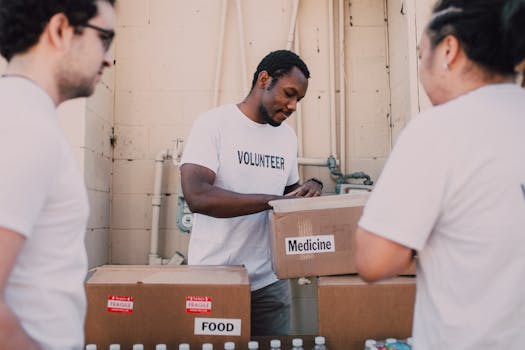
Photo: RDNE Stock project / Pexels
California's expansive geography and diverse population naturally lead to an incredibly broad spectrum of volunteer opportunities. To effectively navigate this landscape, it's helpful to consider both your interests and the specific needs within different regions of the state. For instance, coastal communities often have a strong focus on marine conservation, beach cleanups, and wildlife rescue, offering roles for those passionate about ocean health. Inland agricultural areas might present opportunities related to food justice, farm labor support, or environmental stewardship of watersheds and farmlands. Urban centers, with their dense populations, typically have a high demand for volunteers in social services – think soup kitchens, homeless shelters, youth centers, and educational programs – alongside cultural institutions like museums and theaters. Rural areas, while perhaps having fewer formal organizations, often have strong community networks where direct neighbor-to-neighbor support or assistance with local events is highly valued.
Identifying your core interests is paramount. Do you love animals? Look for opportunities at local animal shelters, rescue organizations, or wildlife rehabilitation centers. Are you passionate about education? Schools, libraries, and after-school programs are always seeking tutors, mentors, and general support staff. Concerned about the environment? Conservation groups, parks departments, and sustainable agriculture initiatives are excellent places to start. If social justice is your calling, consider organizations working on civil rights, legal aid, or advocacy for marginalized communities. Even niche interests can find a home; for example, historical societies often need help with archiving, and community arts centers might need assistance with event planning or ushering. The key is to be specific about what truly excites you, as this passion will sustain your commitment and make your volunteering experience more enjoyable and impactful.
Once you have a general idea, the next step involves researching specific organizations. Several online platforms serve as excellent starting points for finding volunteer opportunities in California. Websites like VolunteerMatch, Idealist, and HandsOn Connect allow you to search by location, interest, and even skill set. Local United Way chapters often maintain databases of needs within their communities. Don't overlook the power of local resources either: community centers, libraries, and city government websites frequently list local volunteer needs or provide directories of nonprofits. Attending community fairs or local events can also be a great way to connect directly with organizations and learn about their work firsthand. When evaluating an organization, look for clear mission statements, transparent operations, and positive reviews from current or past volunteers. A well-run nonprofit will typically have a structured onboarding process, provide adequate training, and ensure volunteers feel valued and supported. It's also wise to consider the time commitment required and ensure it aligns with your schedule and capacity. Some roles might be a one-time event, while others require a regular weekly or monthly commitment. Being realistic about your availability will lead to a more sustainable and fulfilling volunteer experience, benefiting both you and the organization you serve.
Beyond formal organizations, consider informal ways to contribute. Many communities have neighborhood clean-up days, community garden projects, or local initiatives that simply need extra hands. Keep an eye on local social media groups or community bulletin boards for these less structured but equally valuable ways to give back. The beauty of volunteering in California is its sheer breadth; there truly is an opportunity for everyone to make a difference, regardless of their background, skills, or available time. The state thrives on the collective effort of its compassionate residents, and your contribution, no matter how big or small, plays a vital role in its ongoing success and well-being.
Maximizing Your Impact: Tips for Effective Volunteering
Photo: cottonbro studio / Pexels
Embarking on a volunteer journey is an admirable step, and with a few strategic approaches, you can ensure your efforts are not only personally rewarding but also maximally impactful for the organizations and communities you serve. One of the most crucial aspects of effective volunteering is consistency. While one-off events are valuable, a sustained commitment, even for a few hours a week or month, allows you to build relationships, gain deeper understanding of the organization's needs, and take on more significant responsibilities. Organizations often invest time and resources in training volunteers, and knowing they can rely on your regular presence is a tremendous asset. This consistency also allows you to witness the long-term effects of your work, providing a greater sense of accomplishment and connection to the cause. Think about how your skills, whether professional or personal, can be leveraged. Are you great with spreadsheets? Offer to help with data entry or donor management. Do you have a knack for social media? Many nonprofits need assistance with their online presence. Your unique talents are valuable, even if they don't seem directly related to the cause on the surface.
Communication is another cornerstone of effective volunteering. Be clear about your availability, your comfort level with certain tasks, and any limitations you might have. If you foresee a conflict with a scheduled shift, communicate it as soon as possible. Ask questions when you're unsure about a task or a procedure. Providing feedback to the volunteer coordinator, both positive and constructive, can also help the organization improve its volunteer programs. Remember that you are an ambassador for the organization, so maintaining a professional and positive attitude is always beneficial. Be open to learning new things and stepping outside your comfort zone; this is often where the most significant personal growth occurs. Many nonprofits offer orientation sessions and ongoing training; take full advantage of these resources to enhance your skills and understanding of their mission. This proactive engagement not only makes you a more effective volunteer but also demonstrates your dedication, potentially opening doors to more specialized or leadership roles within the organization.
Beyond the direct tasks, consider how you can advocate for your chosen cause. Share your experiences with friends and family, encouraging them to get involved. Use your social media platforms to raise awareness about the organization's work and its impact. Attending fundraising events, even if you're not directly volunteering at them, shows support and helps the organization secure vital resources. Remember that financial contributions are also a form of support; even small donations, if you are able, can make a difference. Many organizations, especially
nonprofit organizations, operate on tight budgets, and every bit of help, whether time or money, is profoundly appreciated. Ultimately, effective volunteering is about being a proactive, reliable, and passionate participant in the organization's mission. By approaching your volunteer role with dedication and an open mind, you not only contribute to a better California but also enrich your own life with invaluable experiences, skills, and connections. Your commitment helps to weave a stronger, more resilient social fabric across the state, demonstrating the collective power of individuals coming together for a common good.
Finally, don't underestimate the power of self-care. While volunteering is incredibly rewarding, it's also important not to overcommit and risk burnout. Understand your limits and communicate them clearly. Taking breaks, ensuring you get enough rest, and maintaining other aspects of your life will ensure you can continue to volunteer effectively and sustainably in the long run. A burnt-out volunteer is less effective and less likely to continue their service. Prioritizing your well-being allows you to bring your best self to your volunteer role, ensuring that your contributions remain meaningful and impactful over time. The goal is a long-term, fulfilling engagement, not a short, intense burst that leads to exhaustion. Balance is key to maximizing your impact and enjoyment in the world of volunteer opportunities in California.
Common Mistakes to Avoid When Seeking Volunteer Opportunities in California
Photo: Mikhail Nilov / Pexels
While the desire to volunteer is commendable, certain pitfalls can lead to frustration for both the prospective volunteer and the organization. Being aware of these common mistakes can help ensure a smoother, more effective, and ultimately more rewarding experience. One of the most frequent errors is a lack of clear expectations. Many individuals dive in without fully understanding the time commitment, specific duties, or the nature of the work. This can lead to disillusionment if the reality doesn't match an idealized vision. Before committing, ask detailed questions about daily tasks, training provided, and the expected duration of the role. Don't be afraid to ask for a tour or to speak with other volunteers to get a realistic picture. A mismatch in expectations often leads to volunteers dropping out prematurely, which can be disruptive for the organization.
Another significant mistake is not adequately researching the organization. While the mission statement might sound appealing, it's crucial to look deeper into the organization's reputation, financial transparency, and operational efficiency. Are they well-organized? Do they have a clear impact report? Are there any red flags in their public records or reviews? A quick search online can often provide valuable insights. Volunteering your time with an inefficient or poorly managed organization can be disheartening and may not lead to the impact you desire. Conversely, some volunteers make the mistake of overcommitting. Enthusiasm is great, but promising more hours or tasks than you can realistically deliver can lead to stress, missed commitments, and a negative experience for everyone involved. It’s far better to start with a smaller commitment and gradually increase it if your schedule allows, rather than burning out quickly.
Here are some specific mistakes to avoid:
* **Ignoring the application process:** Many reputable organizations have an application, interview, and background check process for good reason. Skipping or rushing through these steps can signal a lack of seriousness or even raise safety concerns.
* **Not showing up or being unreliable:** Consistency and punctuality are paramount. If you commit to a shift, treat it with the same respect you would a professional appointment. Unreliability burdens staff and other volunteers.
* **Expecting immediate, dramatic impact:** While your efforts contribute, systemic change often takes time. Be patient and appreciate the cumulative effect of your contributions rather than expecting instant, visible results.
* **Focusing solely on personal gain:** While personal benefits (skill-building, networking) are a welcome byproduct, the primary motivation should be to serve the cause. Organizations can often sense when a volunteer is primarily self-serving.
* **Lack of flexibility:** While you might have a preferred role, sometimes the greatest need is for tasks that are less glamorous. Being adaptable and willing to help where needed makes you an invaluable asset.
* **Not asking for help or clarification:** If you're unsure about a task or facing a challenge, don't struggle in silence. Reach out to your supervisor or fellow volunteers. They are there to support you.
By avoiding these common missteps, you can ensure your journey into volunteer opportunities in California is both effective and deeply satisfying, creating a lasting positive impact for both yourself and the communities you serve.